The Best Handgun Ammo for Self-Defense, Range Days, and Concealed Carry
When you need 9x23mm Winchester Ammo for Sale a dependable way to stop a threat or punch clean paper targets, a handgun round delivers quick, portable power in a compact package. Each cartridge pairs a primer, powder, and bullet so that a single trigger pull converts stored energy into controlled, repeatable force. Choosing the right bullet weight and profile—like a hollow point for self-defense or a full metal jacket for practice—lets you match the ammo to your exact goal. Properly feeding the right round into your handgun ensures smooth cycling and consistent accuracy every time you shoot.
Selecting the right cartridge for your sidearm hinges on matching the round to your specific defensive or shooting role, not just the gun’s frame size. **Choosing the right cartridge for your sidearm** means balancing terminal performance against recoil control and magazine capacity. For compact carry pistols, a 9mm Luger offers an ideal blend of penetration, expansion, and shootability, making it the benchmark. If you demand maximum stopping power in a full-size frame, a .45 ACP delivers heavier tissue disruption, though with more muzzle flip and fewer rounds. Conversely, for shooters with limited hand strength, a .380 ACP reduces felt recoil but sacrifices wound cavity. Avoid over-penetrating loads for home defense, and stick to proven defensive ammunition from major brands, ensuring your **handgun ammo** cycles flawlessly through your specific action. Ultimately, the best cartridge is the one you can consistently place accurately under stress.
The practical difference between these calibers hinges on the trade-off between controllability and terminal effect. In real-world shooting, 9mm offers the best balance: moderate recoil allows faster follow-up shots and higher magazine capacity, while modern hollow points achieve reliable expansion. .45 ACP delivers a larger permanent wound channel and deeper penetration but with noticeably heavier recoil, slowing split times and reducing capacity. .380 ACP is significantly softer-shooting and suits ultra-compact pistols, but its lighter bullets often under-penetrate and expand unreliably, making it a marginal defensive choice. Thus, **choosing between 9mm, .45 ACP, and .380 ACP** depends on whether you prioritize shot speed and capacity or raw bullet mass.
Q: How Do Bullet Calibers Like 9mm, .45 ACP, and .380 ACP Differ in Real-World Use?
A: In practical terms, 9mm is the optimal compromise for defensive shooting because it pairs manageable muzzle flip with 7.62 Tokarev Ammo for Sale consistent terminal performance. .45 ACP increases felt recoil and reduces magazine capacity, favoring shooters who can manage slower, heavier shots. .380 ACP minimizes recoil for tiny frames but sacrifices penetration and expansion, often requiring premium ammunition to meet minimum defensive thresholds. Your choice directly affects follow-up speed, shot placement under stress, and reliability in subcompact slides.
The numbers on the box—velocity in feet per second and bullet weight in grains—directly translate to real-world terminal performance. A higher velocity figure, such as 1,200 fps, typically means a flatter trajectory and more aggressive expansion on impact, while a heavier grain weight (e.g., 147 grain) often penetrates deeper but may recoil harder. The energy rating, often printed in foot-pounds, is the product of these two figures and reveals the cartridge’s actual stopping potential. Crucially, matching those numbers to your barrel length is essential: a short barrel will not achieve the advertised velocity, meaning you must select loads that still perform at lower speeds. Always compare the box’s data against your sidearm’s specs to avoid over- or under-penetration in defensive scenarios.
Barrel length dictates how completely your propellant burns before the bullet exits, so a shorter barrel—say, 3 inches—will favor faster-burning powders found in defensive loads, while a 5-inch slide lets slower powders reach full velocity. Twist rate governs stabilization; a 1:10 twist stabilizes heavier 147-grain subsonics, whereas a 1:16 twist prefers lighter 115-grain rounds for optimal accuracy. If you ignore these, you’ll see keyholing or inconsistent expansion. Matching the round to your barrel’s twist and length ensures reliable feeding, point-of-impact consistency, and terminal performance. Test a few weights at your specific barrel length, then verify group tightness to lock in the load that your firearm actually wants.
Understanding bullet types for handgun ammo directly determines terminal performance. Full metal jacket rounds penetrate deeply but typically pass through, leaving a narrow wound channel, which reduces stopping power and increases risk to bystanders. Conversely, hollow point bullets are engineered to expand upon striking soft tissue, creating a larger diameter and transferring more energy. This expansion dramatically increases the permanent wound cavity, leading to faster physiological incapacitation. Jacketed hollow points combine expansion with deeper penetration, defeating heavy clothing barriers while still opening reliably. Fragmenting rounds break apart on impact, maximizing tissue destruction but risking inadequate penetration. Choose your handgun ammo based on the intended threat: for self-defense, select a proven expanding round that meets FBI-standard penetration depths, as over-penetration is a legal and tactical liability .22-250 Ammo for Sale you cannot afford.
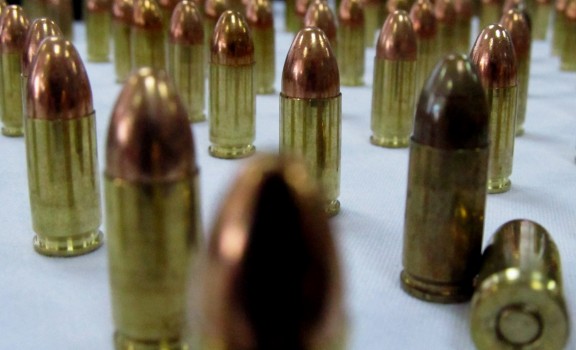
When comparing Full Metal Jacket vs. Hollow Point penetration, the choice hinges entirely on your intended threat profile. An FMJ’s hardened copper jacket prevents deformation, allowing it to punch through barriers like drywall or heavy clothing and maintain a straight, deep wound channel. However, this same rigidity means it typically passes through a target without expanding, transferring less energy. A hollow point, by contrast, is engineered to mushroom upon hitting soft tissue, drastically increasing its diameter and energy transfer. This expansion caps penetration depth, reducing the risk of over-penetration in a home defense scenario. For stopping a human threat, hollow points win on expansion; for barrier penetration, FMJ wins.
FMJ penetrates deeper through obstacles but fails to expand; hollow points expand violently, trading depth for superior stopping power and safer over-penetration profiles.
Frangible rounds earn their place when you train in steel-plate bays or shoot at close-quarters indoor ranges, where backstop spalling and ricochet are real hazards. At the range, these compressed-powder projectiles shatter on impact with hard surfaces, letting you run fast, reactive drills without fear of splashback. For home defense, they shine in apartments or homes with thin walls, as they dump energy quickly in drywall and reduce the risk of over-penetration into a neighbor’s bedroom. However, don’t rely on them for barrier penetration—they will fail against car doors or heavy cover. Use frangible rounds for reduced ricochet risk and safer close-range training, but stick with bonded hollow points for lethal force encounters involving possible obstructions.

In short barrels, jacketed soft points (JSPs) and flat-nose loads exhibit distinct velocity-dependent behavior. JSPs, designed to expand, risk under-expansion below roughly 1,000 fps; a 3-inch barrel may strip the jacket without mushrooming, creating a shallow, full-penetration wound. Conversely, flat-nose loads—often cast or plated—rely on a meplat to crush tissue, not expand, making them .223 Ammo for Sale velocity-resistant for consistent penetration in compact slides. Their blunt tip also reduces deflection off bone, yet they demand higher chamber pressure to cycle reliably in short recoil systems. JSPs favor longer barrels for energy transfer; flat-noses trade expansion for predictable depth, especially when muzzle velocity drops by 150–200 fps from a 2-inch tube.
Q: How do short barrels alter JSP expansion versus flat-nose stability?
A: Short barrels slow JSPs below their expansion threshold, causing jacket-core separation, while flat-nose loads keep their flat meplat geometry intact, ensuring straight-line penetration even at reduced speeds, though both lose impact energy 6mm ARC Ammo for Sale to unburnt powder.
To shoot better, read your handgun ammo’s velocity as a .243 Ammo for Sale timing cue, not just a number. Higher velocity from a defensive load often means a snappier slide cycle, so you must reacquire the front sight faster. Pressure reveals itself through primer flattening or case-head expansion; if you see these signs, your recoil impulse will feel harsh and abrupt, indicating you need a stiffer recoil spring or a lighter powder charge. Recoil direction matters—straight-back push means the bore axis is low, while muzzle rise suggests excess velocity for your grip strength. Q: How do I adjust for heavy recoil? A: Slow your trigger press, increase grip tension, and watch the front sight lift—do not fight it, track it. Dry-fire with snap caps to practice reading the muzzle’s arc before you shoot live rounds; this builds the muscle memory to distinguish normal recoil from pressure spikes.

Muzzle velocity directly determines the trajectory of a handgun round. Higher muzzle velocity flattens the bullet’s arc, reducing the amount of holdover needed at typical defensive ranges (15–25 yards). At these distances, slower rounds like a 230-grain .45 ACP can drop several inches more than a faster 9mm load, forcing the shooter to aim above the target. For terminal ballistics, velocity drives expansion and penetration: a round must retain sufficient speed upon impact to reliably expand, while excessive velocity can cause over-penetration or jacket separation. Chronographing loads helps you select a velocity that balances a manageable drop bulk ammo for sale with predictable expansion.
+P and +P+ ammunition increase chamber pressure beyond SAAMI specifications, which alters the recoil impulse you perceive—it arrives faster and sharper than standard loads because the bullet accelerates more violently. This pressure spike translates to a snappier muzzle flip and greater perceived blast, making follow-up shots harder to control. For your gun’s lifespan, the elevated pressure accelerates bolt thrust, frame battering, and slide velocity, particularly in alloy-framed pistols. Overpressure ammunition shortens component fatigue life by stressing locking lugs and recoil spring guides beyond design limits, potentially causing premature cracking. While sporadic use is tolerable, consistent +P+ exposure can reduce a service pistol’s round count by thousands, so verify manufacturer ratings before relying on these loads.
When shooting hotter loads, the sharp, upward torque of snappy recoil management demands a high, thumbs-forward grip—place your support hand’s web as high as possible under the trigger guard, then apply 60% of your grip pressure with the support hand, not the firing hand. A locked, slightly forward-leaning stance with stiff wrists prevents the muzzle from flipping excessively. To track the front sight through the impulse: press out your support elbow, drive your firing shoulder into the pocket, and re-grip firmly between shots. This technique converts vertical muzzle rise into a controlled, flat return to zero.
When buying handgun ammo, prioritize factory-new rounds from reputable brands over reloads to ensure reliable feeding and consistent pressure, and purchase only the specific grain weight your firearm’s manual recommends. For storage, keep boxes sealed in a cool, dry place with desiccant packs, avoiding temperature swings that degrade powder; never store loose rounds in a pocket or bag where primers can get struck. For carrying, use a dedicated magazine or cylinder—not loose rounds—to prevent bullet setback from repeated chambering, and replace carry ammunition every six months to avoid moisture-induced corrosion. Rotate your carry ammo into practice sessions so you train with the same rounds you trust, and visually inspect each cartridge for crimp or primer damage before loading. While a full magazine is standard, mindful placement of spare rounds in a pouch can reduce bulk but requires deliberate retrieval under stress.
Before loading a magazine, inspect each primer for a flush or slightly recessed seat, rejecting any that protrude—high primers risk ignition on chambering. Check case necks for cracks, splits, or significant dents that could compromise bullet tension or chambering reliability. Examine the seating depth by running your fingertip across the case mouth; the bullet’s ogive should meet the case cleanly without a visible gap or excessive crimp ring. Cartridges that fail these checks should be set aside immediately, as forcing them into a magazine can cause feed jams or dangerous pressure spikes. This pre-load inspection protects both your firearm and your hands—always make it a non-negotiable routine. Case neck integrity and primer seating depth are the first line of defense against malfunction.
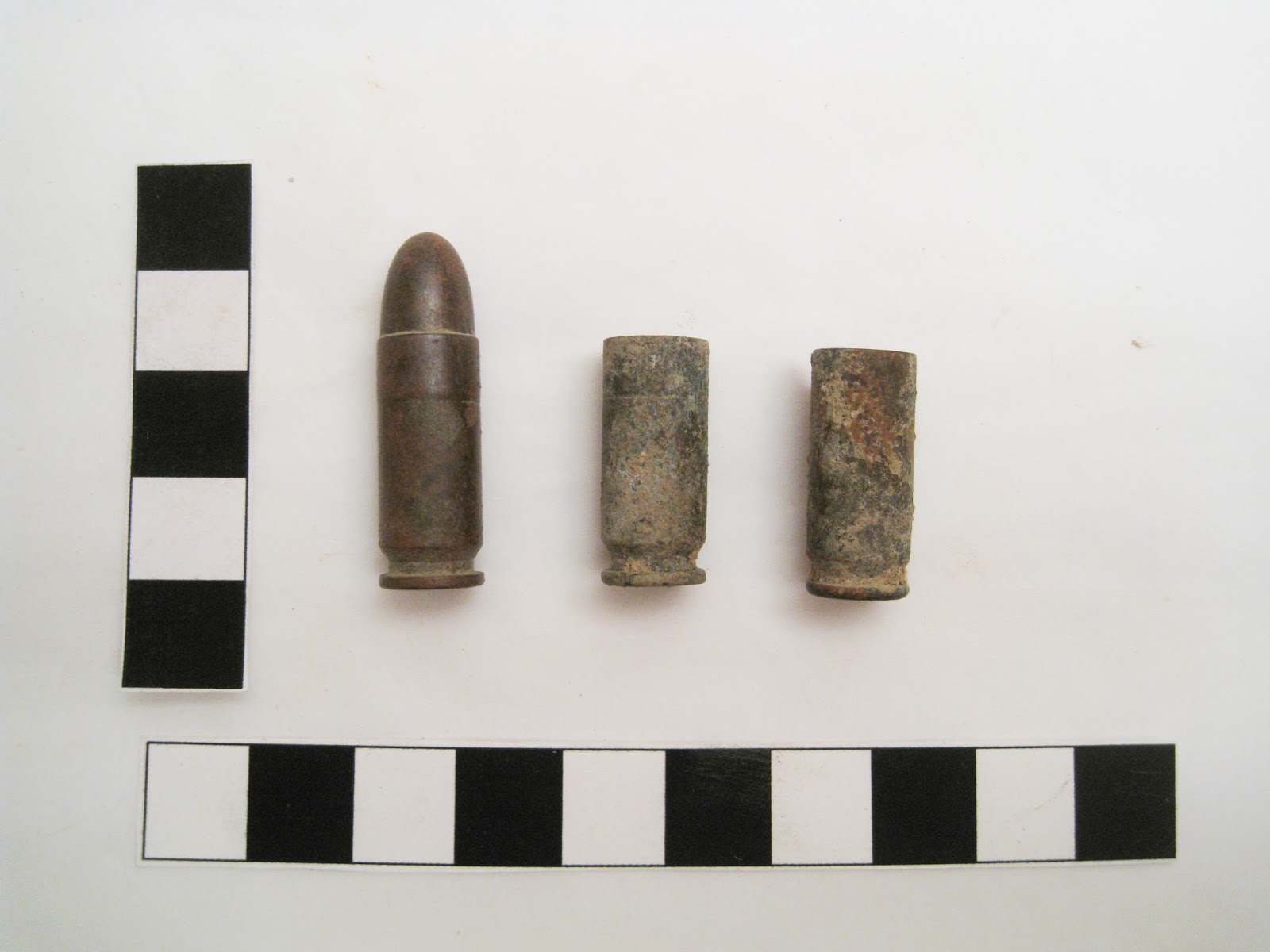
Always verify primers are flush, case necks are crack-free, and bullet .260 Remington Ammo for Sale seating is consistent before any cartridge enters a magazine.
Rotating your carry ammo is a critical defensive habit, as chambering the same round repeatedly can compress the bullet into the case, causing a dangerous setback. To avoid this, **establish a strict monthly rotation schedule**; this ensures no single round endures prolonged bolt pressure. When you do unload, gently ease the slide forward rather than slingshotting it, which minimizes impact force. After each cycle, measure the overall cartridge length with calipers; discard or shoot any round that has shortened by even a millimeter, as setback spikes pressure and invites misfeeds during emergency slide manipulations. Finally, always push the top round in your magazine down with a thumb to verify it sits securely, preventing a nose-dive jam when the slide strips it.
When buying handgun ammo, the headstamp on the case base tells you the manufacturer and caliber, but the lot number on the box is your true consistency key. Match the lot number across all boxes you purchase—even the same brand and bullet weight can shift in velocity and point of impact between batches. Decode headstamps like „FC 9MM” for Federal or „WIN 45 AUTO” for Winchester, then verify the caliber matches your firearm exactly. For defensive carry, buy several boxes from the same lot, test-fire a few, and reserve the untouched ones for reloads. *A mismatched lot from six months ago may group inches away from today’s fresh batch at 25 yards.*
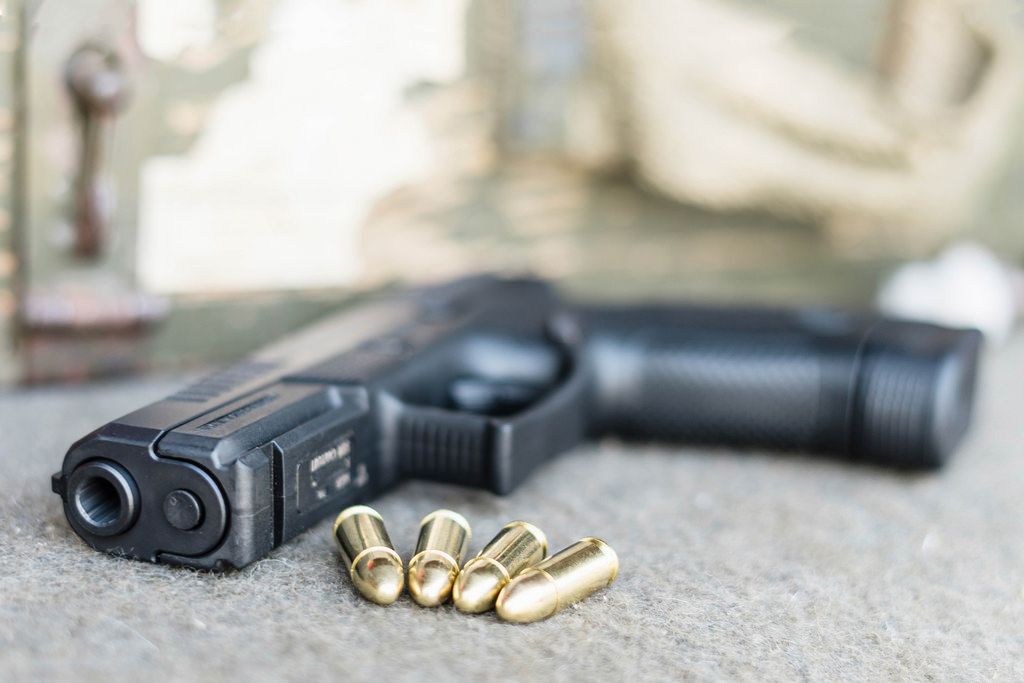
Always confirm the headstamp’s caliber and manufacturer, then lock your supply to a single lot number for consistent ballistics and zero drift.
When stocking up on handgun ammo, a huge mistake is buying only one brand and never testing it—your gun might hate it, so mix a few boxes first to confirm reliability before you commit to a case. Another common error is storing rounds loose in a range bag; the primers can get battered, causing misfires, so keep them in original boxes or a proper ammo wallet. At the range, don’t mix reloads with factory loads in the same magazine, as pressure differences can cause cycling issues. Finally, avoid hoarding a single type of ammo like FMJ only—make sure you have some defensive hollow points in the stockpile, because your practice rounds won’t perform the same way in a self-defense scenario. Rotate your oldest rounds to the front so you shoot them before they get too old.
Mixing brands or generations of brass in a magazine introduces inconsistent case dimensions, extractor grooves, and rim thicknesses, which directly undermines reliable feeding. A new-production case with a sharp rim may catch on a worn extractor tuned for older, softer brass, while aged cases with burred mouths can hang on the feed ramp. Case length and shoulder angle variations between manufacturers alter the cartridge’s overall length and seating depth, causing the round to bind on the chamber’s leade or fail to strip from the magazine lips. Even same-brand brass from different production years can differ in wall thickness and mouth tension, changing how the round aligns during the feed cycle. This subtle geometry shift increases friction and misalignment, turning an otherwise smooth action into a stoppage-prone system.
Over-penetration risk scales directly with both projectile momentum and retained energy at impact. Heavier bullets (e.g., 230-grain .45 ACP) generally maintain velocity better through barriers, but their lower starting speed means they often slow more rapidly in gelatin, reducing exit potential compared to lighter, faster rounds. Conversely, a light, high-velocity bullet (e.g., 115-grain 9mm at 1,200+ fps) can fragment or yaw violently on contact, dumping energy quickly—yet if it fails to expand due to denim or angle, its high sectional density may let it punch through unexpectedly. Impact velocity determines expansion reliability: below roughly 1,000 fps, hollow points may under-expand, acting like full metal jackets and increasing exit likelihood; above 1,400 fps, over-expansion or core-jacket separation can reduce penetration, paradoxically lowering risk. Thus, optimal over-penetration control requires matching bullet weight to a velocity window that ensures reliable expansion without sacrificing depth.
When your handgun fails to fire, keep the muzzle pointed downrange and immediately perform the **tap, rack, and assess** drill. Tap the magazine’s baseplate firmly to ensure it is seated, then rack the slide fully to eject the defective cartridge and chamber the next round. Assess the ejection port—if the dud remains stuck, do not force it; lock the slide open and manually clear it. Never drop the live round carelessly; place it in a dud container away from heat and impact. This sequence works for both primer strikes and light-strike ammunition, preventing dangerous double-feed jams.
Q: How long should I wait before tapping and racking a round that fails to fire?
A: Only one second—if the hammer or striker falls and no bang occurs, immediately tap the magazine, rack the slide, and assess. Waiting longer invites a hang-fire risk, though modern ammo rarely delays; still, keep the gun pointed safely during the entire process.

Strony www, które trafiają w punkt.